Steel Road Plates, Trench Crossing Bridges and Pedestrian Walkways
An open trench can interrupt vehicle routes, separate work fronts and force pedestrians towards areas of active plant movement. Temporary crossings need to reflect who will use them, how often they will be used and the conditions on each approach.
Mabey supplies steel road plates, trench crossing bridges and temporary pedestrian walkways for different access requirements. Planning the crossing before excavation changes site movement helps keep the route defined throughout the works.
Quick Answer
Steel road plates can provide a temporary surface crossing. Trench crossing bridges can create a defined crossing for pedestrians and mobile light plant. Temporary pedestrian walkways can provide a managed route for people on foot. The appropriate option should match the planned use of the crossing.
Steel Road Plates for Temporary Excavation Access
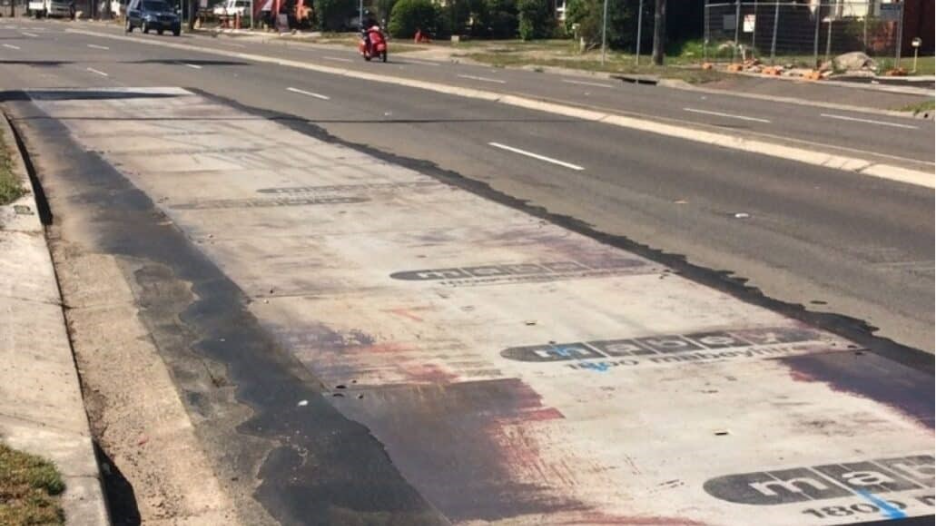
Steel road plates can provide a temporary crossing over open trenches or manholes. Vehicles require a clear approach, suitable support and a route that fits the site traffic plan.
Mabey can discuss the intended application, current product information and hire requirements with the contractor.
Trench Crossing Bridges for Site Access
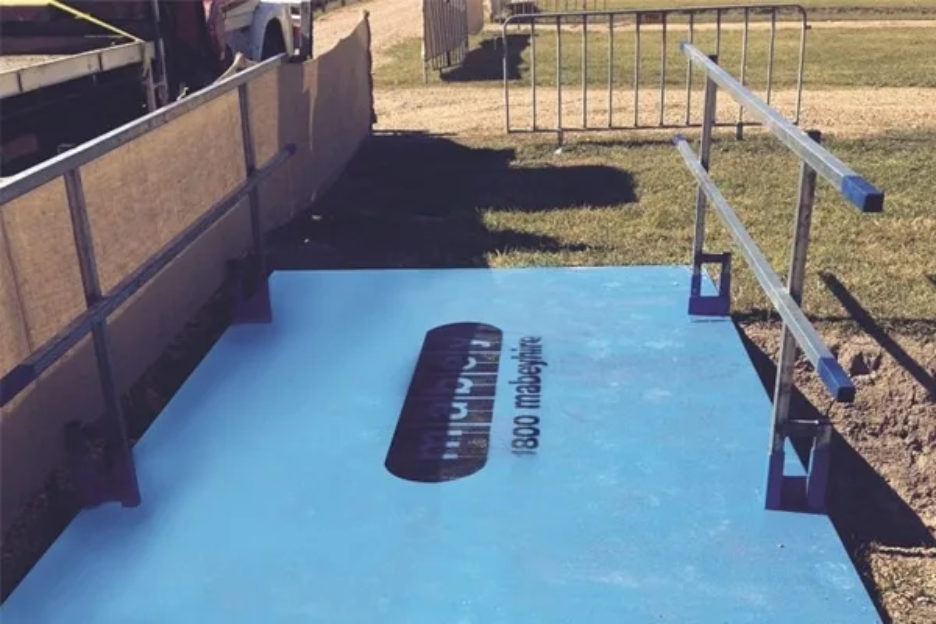
Picture a worksite where a trench separates a plant route from the work area. A designated crossing can concentrate movement at one location and make the route easier to manage.
Mabey’s trench crossing bridges are designed to cross small trenches, streams and ditches. Mabey describes them for pedestrian and mobile light-plant access.
Approach conditions are central to the decision. The bridge needs a practical route at both ends, with enough room for the intended users and any required access controls.
Temporary Pedestrian Walkways for Trench Safety
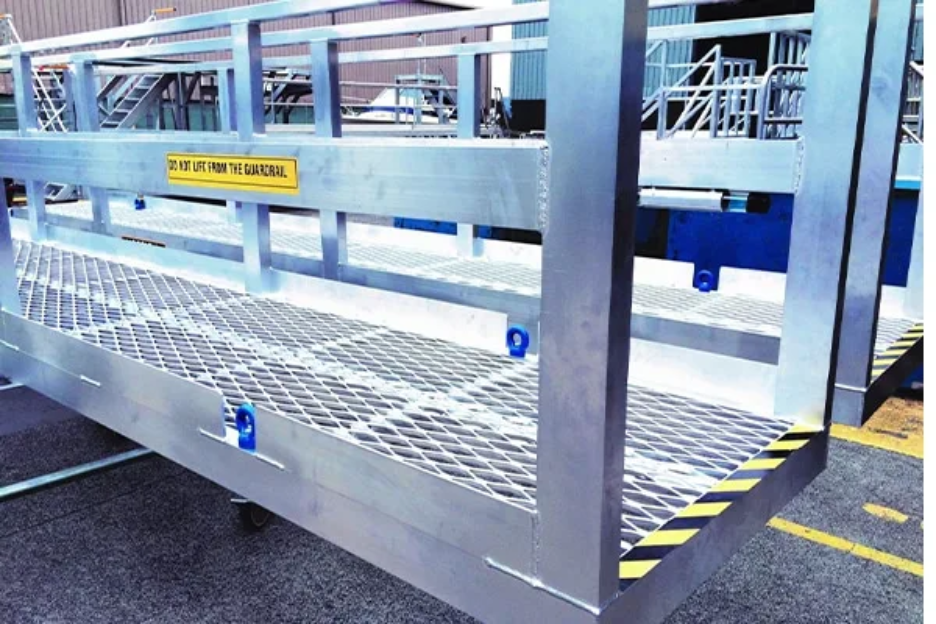
Temporary pedestrian walkways provide a dedicated route across an open trench.
This is a foot-traffic solution. It should connect work areas without directing workers through active plant or vehicle movements. Site amenities, offices and separated work fronts may all create a need for a managed pedestrian crossing.
Keep the route clear during the programme. Stored materials, hoses and temporary barriers can affect access if they build up around the walkway.
Site Access Planning for Excavation Crossings
Select crossing locations before excavation work interrupts existing site routes. Identify where people need to cross, where plant needs to move and where vehicles require access.
The site plan should define who may use each crossing and how it will be maintained. When the excavation or traffic pattern changes, review the arrangement before informal routes emerge.
Comparison Guide
| Access Requirement | Product to Investigate | Project Focus | Mabey Support |
| Vehicle crossing | Steel road plates | Opening, support and traffic route | Product and hire discussion |
| Pedestrian or mobile light-plant crossing | Trench crossing bridge | Span and approach conditions | Access-requirement review |
| Controlled foot-traffic route | Temporary pedestrian walkway | Clear route between work areas | Current product guidance |
Talk to Mabey About Safe Excavation Access
A useful crossing arrangement starts by separating pedestrian, vehicle and plant movements. Mabey can help discuss the access need and identify equipment that fits the site’s planned traffic arrangements.
Talk with Mabey about this project
Frequently Asked Questions
Can a steel plate cover every trench?
No. The selected arrangement needs to suit the opening, loading, support conditions and approved project requirements.
Are trench crossing bridges suitable for heavy vehicles?
Mabey describes these bridges for pedestrian and mobile light-plant access. Confirm intended use before hire.
When should pedestrian access be planned?
Before excavation work affects site routes. This provides time to establish a managed crossing.
Can the access arrangement change during the project?
Yes. Changes to the excavation, traffic pattern or work area should trigger a review of the crossing arrangement.